Restoration
Florida’s Coral Reef Restoration and Recovery Initiative
The Florida’s Coral Reef Restoration and Recovery (FCR3) Initiative is one of the most ambitious state-led coral reef restoration efforts in the world.
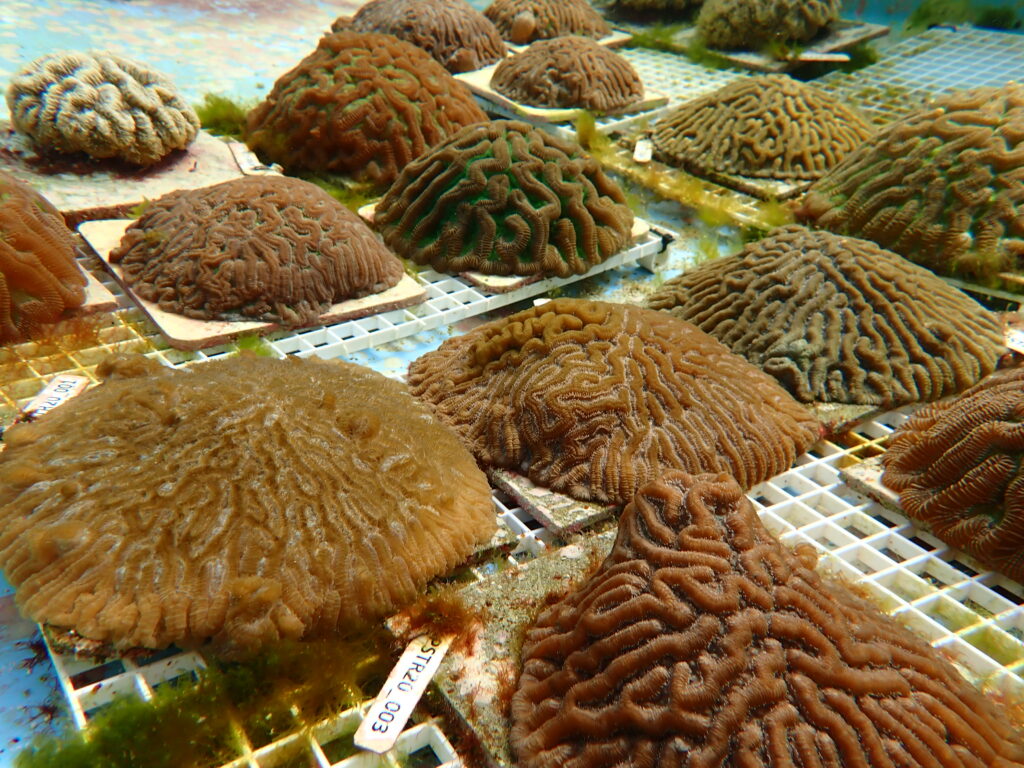
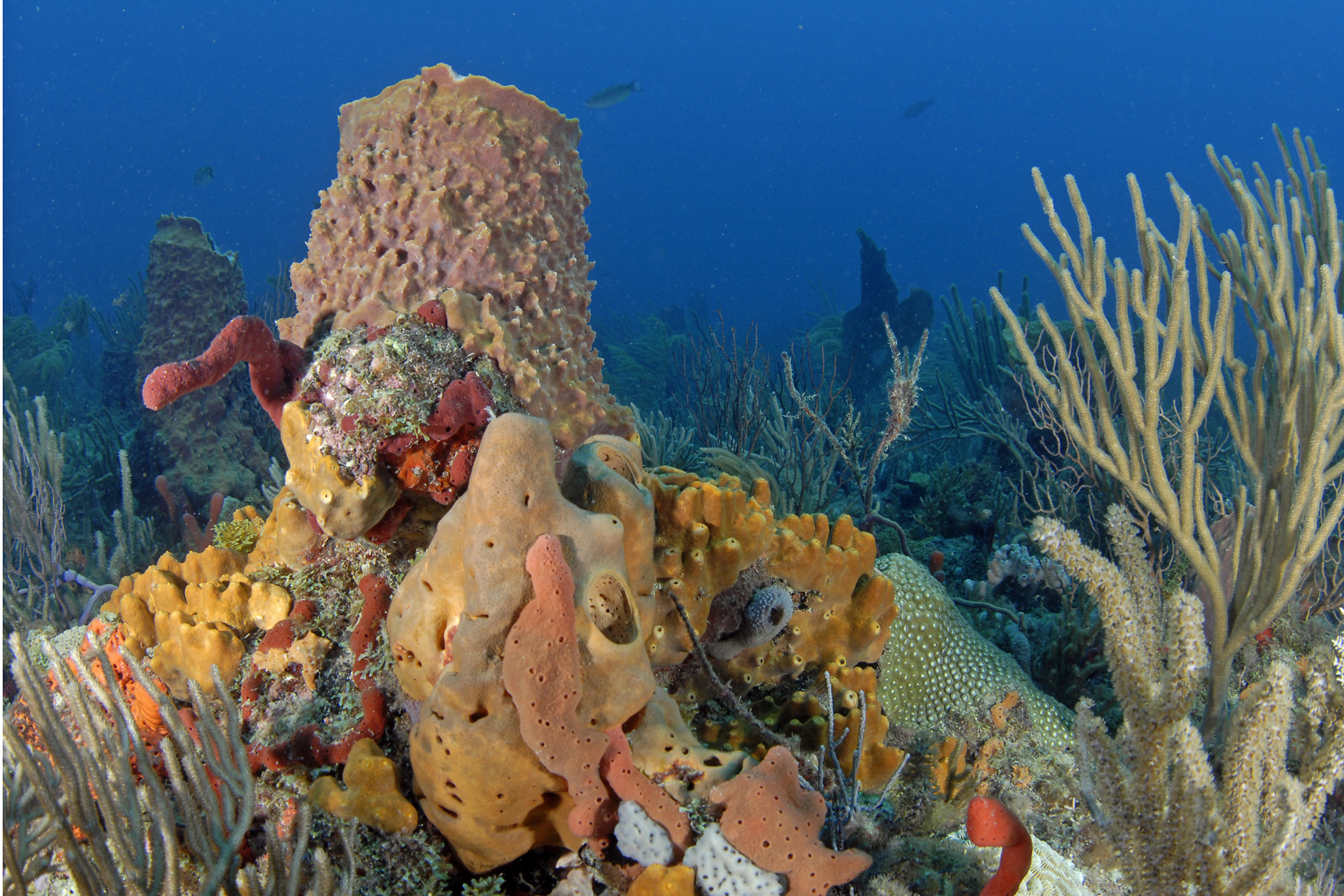
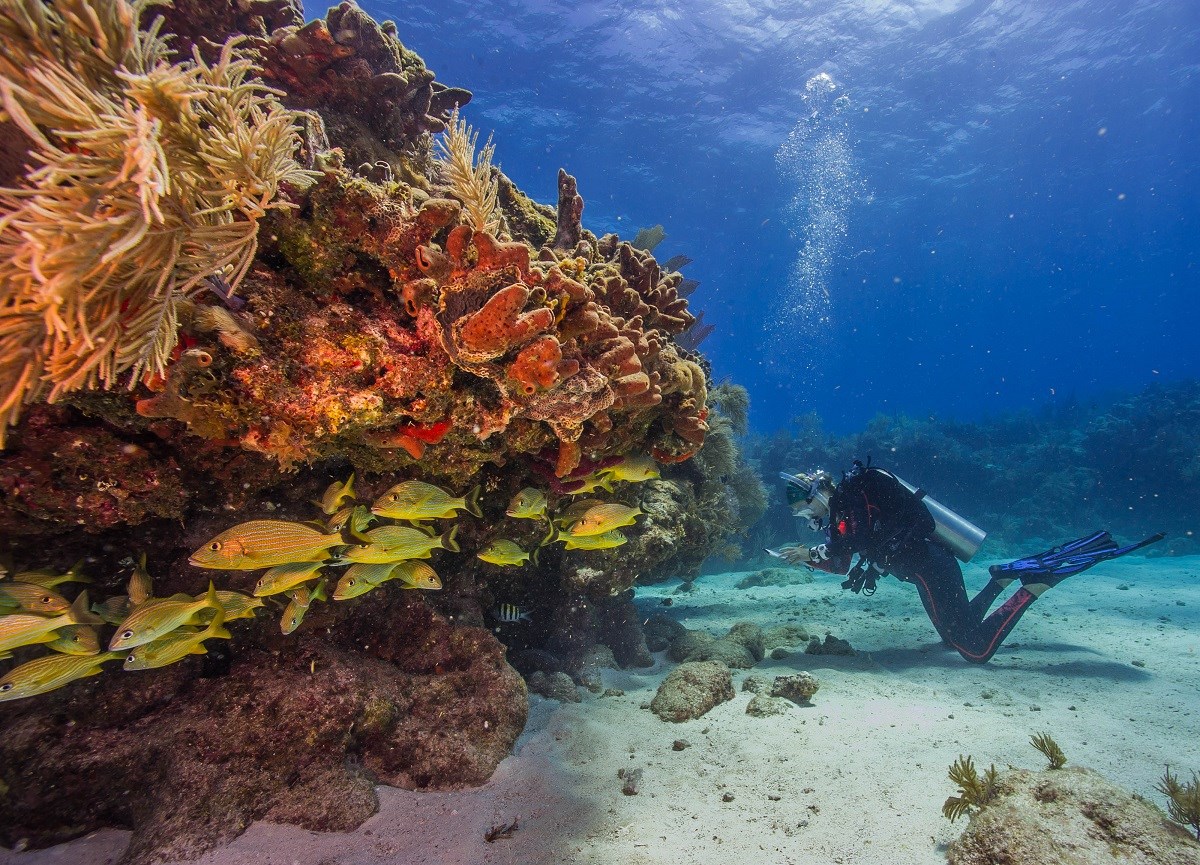
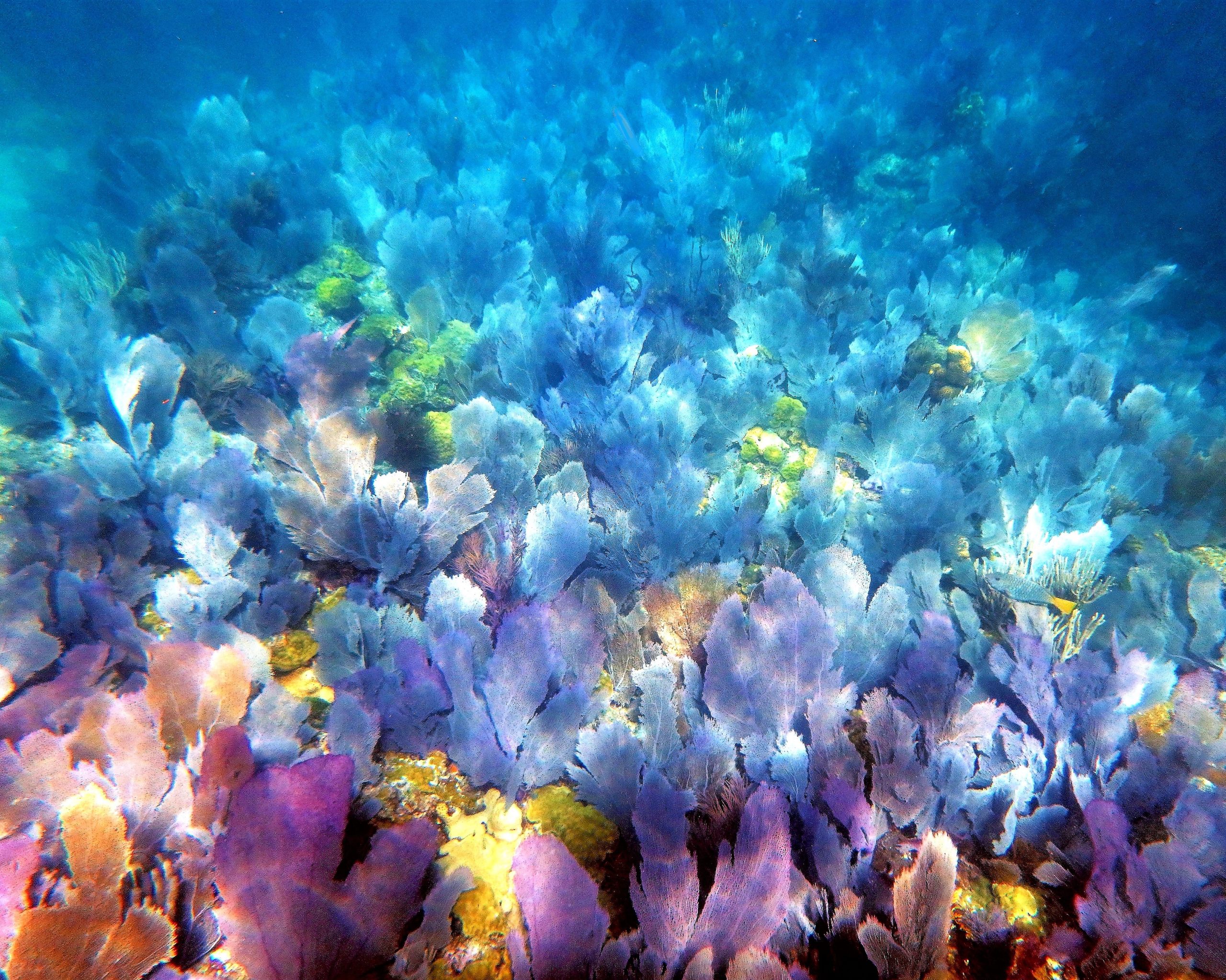
Florida’s Coral Reef is a national treasure with enormous economic, cultural and ecological value. It is the only nearshore coral reef in the continental United States and generates billions of dollars in revenue and in ecosystem services — including coastal protection, fisheries habitat and opportunities for tourism — for millions of residents and visitors in South Florida.
Since the 1970s, Florida’s Coral Reef has experienced a steady decline in ecosystem health due to a combination of global and local stressors. Addressing the root causes of this degradation — including improving water quality — is vital to reef recovery. So, too, is ecosystem restoration.
In recognition of the importance of Florida’s Coral Reef and the need for a bold restoration program, Florida established the Florida’s Coral Reef Restoration and Recovery (FCR3) Initiative in 2023 through Executive Order 23-06. The Initiative is led by the Florida Department of Environmental Protection’s (DEP) Office of Resilience and Coastal Protection, in close coordination with the Florida Fish and Wildlife Conservation Commission (FWC), and has been supported through appropriations from the Florida Legislature.
The FCR3 Initiative aims to develop the infrastructure, technology, skilled workforce and logistics necessary by 2050 to support the long-term recovery of no less than 25% of Florida’s Coral Reef.
The Initiative will facilitate science-based, ecosystem-level restoration through the production and outplanting of keystone species, such as stony corals and reef herbivores. Restoration sites are being strategically selected based on their coastal protection value, with additional considerations for fisheries habitat, tourism value and ecological connectivity. Through active site preparation, restoration, and maintenance, the FCR3 Initiative will support the recovery of resilient populations of native species, strengthen natural reproduction and recruitment, and improve ecosystem function across Florida’s Coral Reef. These efforts will help strengthen the reef’s ability to sustain itself for generations to come.
FCR3 Initiative Phases
The FCR3 Initiative is designed to be accomplished over three phases:
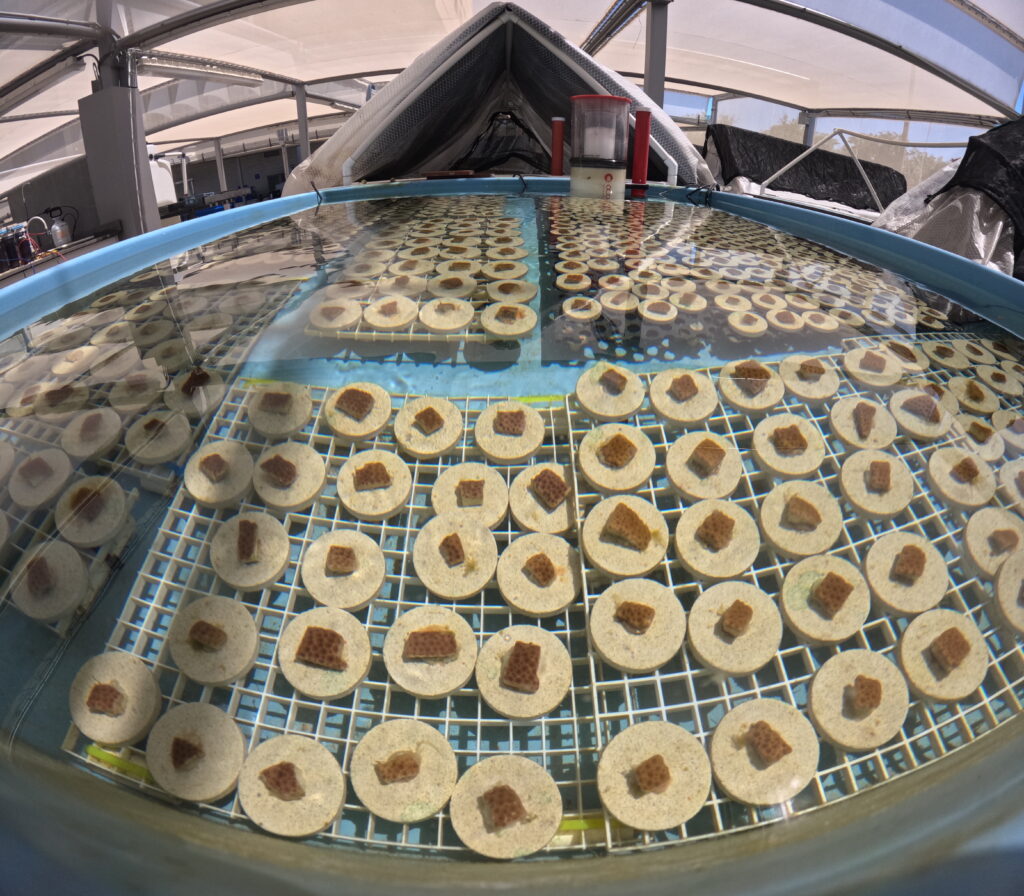
- Phase I – Planning and Capacity Development: Phase I establishes the roadmap for long-term programmatic success through the development of guidance documents, building on the existing coral restoration industry and efforts, expanding infrastructure and developing the skilled workforce necessary to support large-scale restoration.
- Phase II – Implementation and Optimization: Phase II, which is just underway, focuses on implementing the plans and building upon the facilities, operational capabilities and workforce foundations established in Phase I. The overarching goals of this phase are to expand and optimize all aspects of the propagation and restoration pipelines.
- Phase III – Expansion and Sustained Restoration: Phase III will focus on maintaining optimized facilities and operations, expanding restoration efforts across all five counties along Florida’s Coral Reef, and maximizing participation among organizations and individuals interested in conserving Florida’s Coral Reef for generations to come.
Restoration Site Selection
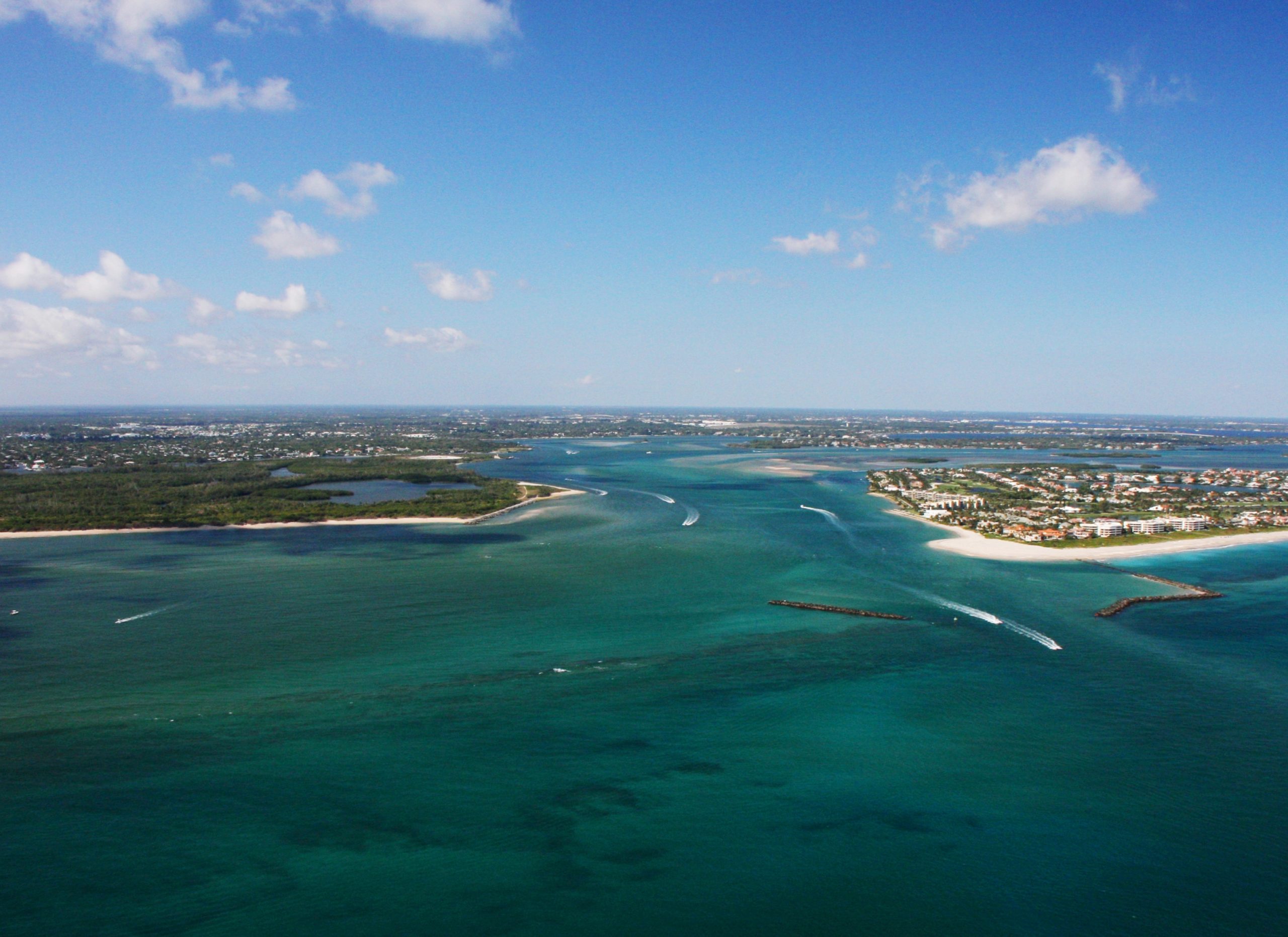
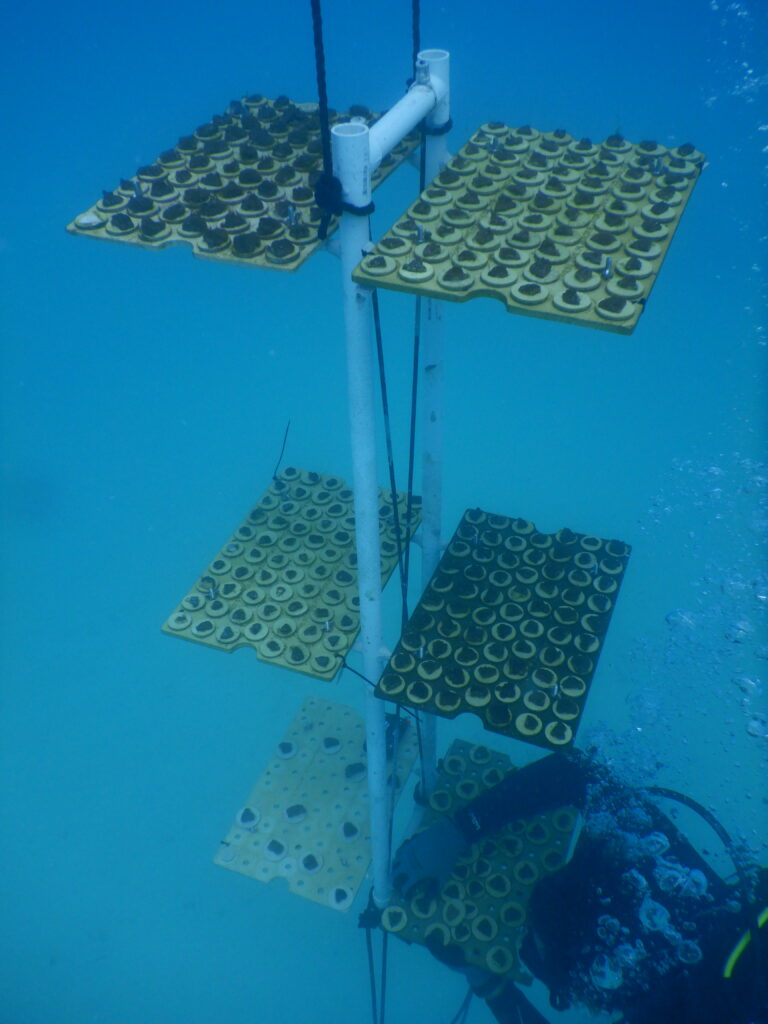
DEP and its partners are actively working to identify and refine restoration sites that support the FCR3 Initiative’s ecological and economic goals. Initial planning identified 10 restoration sites — two each in Martin, Palm Beach, Broward, Miami-Dade and Monroe counties. Site selection and planning incorporate scientific data, ecological connectivity and opportunities to maximize the benefits of restoration, including coastal protection and fisheries habitat.
Below are planning documents used or developed in the site selection process.
- The Nature Conservancy: Ecological Restoration of Florida’s Coral Reef – Tier 1 Strategy
- The Nature Conservancy: Restoration of the Kristin Jacobs Coral Aquatic Preserve – Tier 2 Plan
- Geographic Focus Area Determination for Florida’s Coral Reef Restoration & Recovery (FCR3) Initiative’s Restoration Sites (link coming soon)
- Ground-truthing and Selection of Florida’s Coral Reef Restoration & Recovery (FCR3) Initiative’s Restoration Sites (FY25-26 Report) (link coming soon)
FCR3 Initiative Grant Program
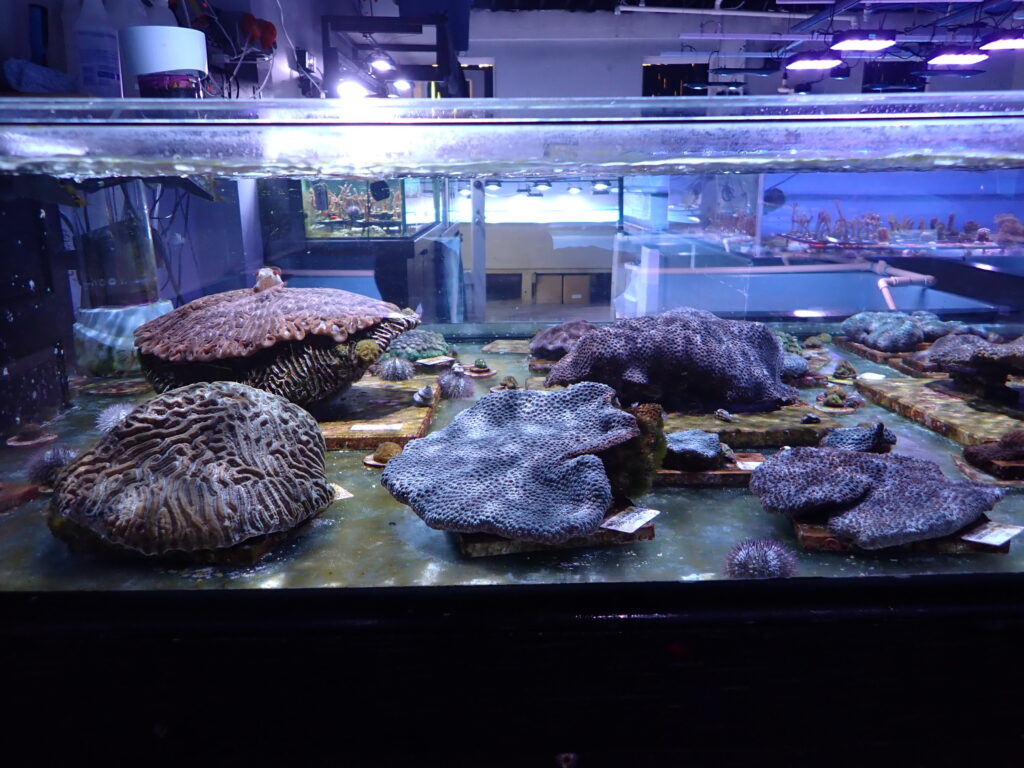
The Florida Legislature has supported the FCR3 Initiative through legislative appropriations that have enabled DEP to award $28.5 million in grant funding across three funding cycles. These appropriations support the infrastructure, technology, workforce development and restoration capacity needed to advance the Initiative’s long-term objectives.
The following organizations were awarded grants during Phase I to support key initiative objectives, including efforts to scale infrastructure and capacity, conduct coral propagation and restoration and develop data management tools:
- Florida Atlantic University, Harbor Branch Oceanographic Institute
- Florida Fish and Wildlife Foundation
- Florida International University
- Mote Marine Laboratory & Aquarium
- Newfound Harbor Marine Institute
- Nova Southeastern University
- Phillip & Patricia Frost Museum of Science
- Plant A Million Corals Foundation
- Reef Renewal
- Scouting America
- SeaFoundry
- The Florida Aquarium
- The Reef Institute
- University of Miami, Rosenstiel School of Marine, Atmospheric, and Earth Science